What Is the Best Way to Trade Meme Coins for Beginners Using a Copy-Trading App Like Fomo
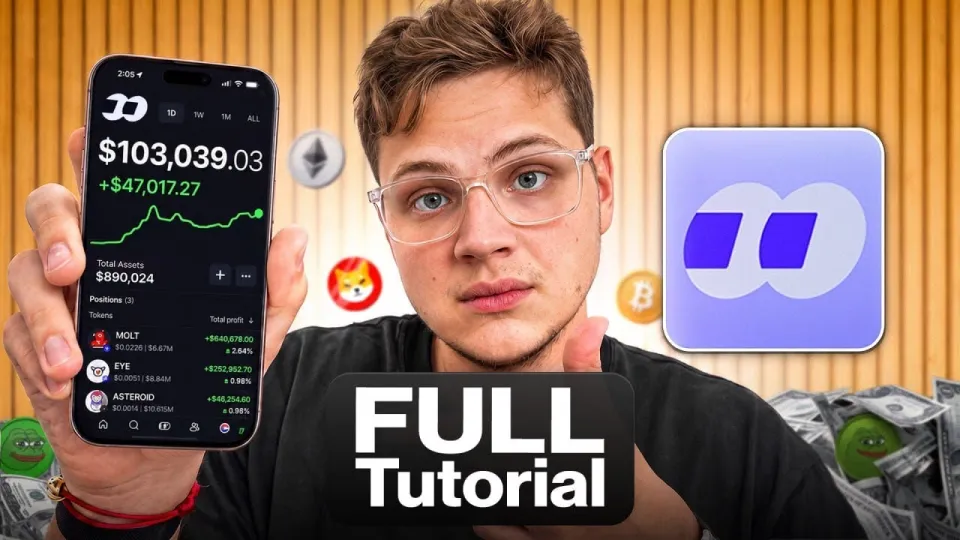
Video: How To Make Money Trading Memecoins (fomo app tutorial)
Need articles like this for your video? They help promote it on YouTube and Google — order them in the Telegram bot @sat_sit_bot. Articles with your video embedded are written and posted by the bot itself — on popular topical sites (no ads). Your first 50 articles are free.
Meme coin trading is best approached as a small, strictly sized speculation rather than an investment: pick one liquid chain, keep each position to a few percent of a bankroll you can lose, and use a tool like the Fomo copy-trading app only to shorten the research loop, not to outsource the decision. The coins themselves have no cash flow and no floor, so the edge comes from process — sizing, exits and speed — not from picking the “right” ticker.
What a meme coin actually is and why it moves so fast
A meme coin is a token whose price is set almost entirely by attention and liquidity, not by revenue, users or collateral. On Solana, where most of this activity happens, a new token can be launched in minutes through a bonding-curve platform, trade on a handful of pools, and either reach a large market cap or lose most of its value within hours. That structure explains the two things beginners notice first: enormous percentage moves and the speed at which those moves reverse.
The mechanics matter more than the memes. Price on a thin pool is a function of how much liquidity sits on each side of the order book, so a buy of a few thousand dollars can move a token 40–60% while a sell of the same size can erase the move. When a token is “trending”, the volume you see is often rotation between traders who all plan to exit into each other. Doge, the original meme coin, is now a large-cap asset with deep liquidity; the small caps that produce 10x and 100x stories are a different game entirely, and the same mechanics that lift them also make the exit narrow.
How the Fomo app fits into a meme coin workflow
Fomo is a copy-trading interface: instead of scanning new pairs yourself, you watch wallets that have a public track record and mirror their buys, with the platform handling the execution. The onboarding link in the Orangie Web3 tutorial is https://fomo.family/r/orangie — it leads to registration through a referral. The appeal for a beginner is obvious: someone else does the scanning, and you see a position appear in your account instead of building a watchlist from scratch.
The limitation is equally structural. A feed shows trades that have already happened, and the wallet you are copying may be one of several controlled by the same trader. If a large account buys on a separate wallet first and then buys on the wallet that followers watch, the copy-traders become the exit liquidity for the first buy. That is the single most common objection raised by experienced viewers of copy-trading content, and it is not paranoia — it is how the incentive works when a public wallet can be traded around.
A beginner routine that keeps meme coin risk bounded
A workable routine is boring on purpose: decide the maximum you can lose, split it into small tickets, and let rules rather than mood decide when you are done. The steps below work with or without a copy-trading app.
- Set a bankroll you would spend on entertainment and keep it in a separate wallet with only the gas and fees you need.
- Cap each position at 1–5% of that bankroll. At 5%, twenty consecutive losses cost the whole account; at 1%, you survive a long bad streak.
- Pre-commit an exit. A common split is selling half at 2x and letting the rest run with a trailing stop, or taking profit at a fixed target and accepting you will miss some runners.
- Write a stop rule in advance — for example, exit if a position drops 40% from entry, and never add to a loser.
- Limit the number of trades per day. Overtrading is what turns a slow bleed into a wipeout, especially when fees and slippage are counted.
- Track every trade with entry, exit, size and reason. After 30 trades the pattern in that log is worth more than any call from a feed.
Fees deserve their own line. Solana transactions are cheap, but bonding-curve platforms and aggregators charge a cut, and slippage on thin pools can cost several percent per side. A trade that “went up 20%” can be flat after two sides of slippage and platform fees.
The risks that no tutorial removes
Copy trading shifts the work, not the risk: you are still long a token with no fundamental floor, and you are long it later than the wallet you follow. Three failure modes recur.
- Late entry. By the time a trade appears in a feed and you mirror it, the price has usually moved. Your average cost is worse than the leader's, and your exit needs a bigger move to break even.
- Wallet security. A drained wallet is the most common hard loss in this niche, and it rarely comes from a bad trade — it comes from signing a malicious approval, pasting a seed phrase into a fake site, or connecting to a lookalike domain. Use a dedicated hot wallet, revoke approvals regularly, and verify every URL.
- Survivorship bias in the content itself. Videos show the 100x, not the twenty positions that went to zero. A viewer of the Orangie Web3 tutorial described exactly this arc: after losing a wallet, they reloaded $90, made about $30 in a day, and gave most of it back — a realistic sequence, and a useful benchmark for expectations.
Common questions from new meme coin traders
Beginners tend to ask the same four things, and the answers are more about expectations than tactics. People want price alerts on copied positions, they want to know whether copying a big trader is a shortcut, they want a simple onboarding path, and they want to know how much money is “enough” to start. The first is a product feature request that platforms hear constantly; the other three are risk-management questions in disguise.
On the “is it too late” worry: yes, usually, for any single trade you see in a public feed — which is why position sizing and an independent exit rule matter more than the entry signal. On onboarding: a referral link shortens registration, but it does not change the fact that you should test with a small amount first. On starting capital: $50–$100 is enough to learn the mechanics of fees, slippage and exits; it is not enough to expect income.
Useful links
- Fomo trading platform (registration via referral): https://fomo.family/r/orangie
- Orangie Web3 Discord community: https://discord.gg/memecoins
- Orangie on Instagram: https://www.instagram.com/orangieyt/
Bottom line on meme coin trading for beginners
Meme coins reward speed and discipline and punish conviction; the traders who last treat each position as a lottery ticket with a fixed price, not as a portfolio holding. Copy-trading apps like Fomo are useful for learning how fast these markets move and for watching how experienced wallets behave, but they cannot fix late entries, thin liquidity or a leaked seed phrase. Start with a bankroll you can lose, cap every ticket at a few percent, write your exit before you buy, and keep a log — that routine is what separates a hobby from a slow donation. The breakdown above follows the walkthrough published by the Orangie Web3 channel; if you want to test the workflow with a small amount, registration starts at fomo.family/r/orangie.
Key takeaways
- Meme coins are high-volatility tokens driven by narrative and liquidity, not cash flow — most launches on Solana go to zero within days.
- Fomo (fomo.family) is a copy-trading app: you follow wallets and mirror their meme coin buys instead of picking tokens yourself.
- Copy trading is always lagging: a large trader often fills a position on a separate wallet before the trade that appears in the feed.
- The realistic beginner setup is a small bankroll, 1–5% of it per position, a pre-set exit rule and a hard stop on the number of trades per day.
- No app removes the risk — a viewer of the Orangie Web3 tutorial reported a drained wallet and a $90 restart that produced $30 in one day and then losses.
Source: How To Make Money Trading Memecoins (fomo app tutorial) · Markdown version
Questions & answers
Is copy trading meme coins profitable for beginners?
It can be, but the base rate is poor: you enter after the wallet you follow, so your cost is worse and your exit needs a larger move. Treat copy trading as a way to learn the market's speed with small tickets, not as an income source, and keep each position at 1–5% of a bankroll you can lose.
How much money do I need to start trading meme coins?
$50–$100 is enough to learn mechanics such as platform fees, slippage and exits on Solana. It is not enough to generate meaningful income, and you should assume the first bankroll can go to zero while you learn.
Why do I lose money when copying a big trader's wallet?
Public wallets can be traded around: a large trader may buy on a separate account first and then buy on the wallet followers watch, making copy-traders the exit liquidity. Even without that, the delay between the trade and your mirror means a worse entry price.
What is the biggest risk with meme coins beyond price drops?
Wallet security. Most hard losses come from signing malicious approvals, connecting to lookalike sites or exposing a seed phrase rather than from a bad trade. Use a dedicated wallet with limited funds, verify every URL and revoke approvals regularly.